Table of Contents
Introduction
Understanding your legal rights is an important step toward protecting yourself, making informed decisions, and handling everyday problems with confidence. This guide to legal rights for beginners explains the basic rights people may have in common situations, including interactions with employers, businesses, landlords, government authorities, and law enforcement.
You do not need a law degree to understand the basics of the legal system. Knowing where your rights come from, how to recognize a possible violation, and where to find reliable legal help can make it easier to respond when something goes wrong.
Legal rights differ depending on your country, state, or region. Some protections apply broadly, while others depend on your age, immigration status, employment arrangement, or the circumstances of a particular case. This article provides a general introduction rather than legal advice for a specific situation.
What Are Legal Rights?
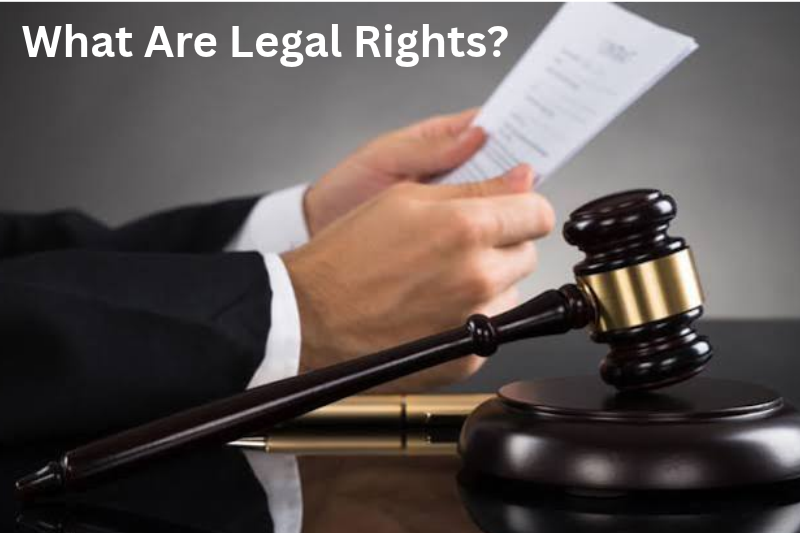
Legal rights are protections, freedoms, and entitlements recognized by a country’s constitution, legislation, regulations, or other applicable sources of law.
These rights help establish what individuals can do, what others must or must not do, and how disputes should be resolved. They also place limits on the power of certain institutions and provide ways to seek remedies when legal protections are violated.
For example, a worker may have a legal right to receive wages required by applicable employment law. A consumer may have protection against certain misleading business practices. A person accused of a crime may have procedural protections during the investigation and trial.
The exact scope of each right depends on the relevant law and the facts of the situation.
Legal Rights vs. Human Rights
Although these terms are closely related, they are not identical.
- Human rights are fundamental rights and freedoms recognized through international human rights principles and, in many cases, national legal systems.
- Legal rights are rights recognized or protected by the laws that apply in a particular jurisdiction. They may include human rights as well as specific protections created by legislation or legal agreements.
- Civil rights generally concern equal treatment, freedom from unlawful discrimination, and participation in civic life.
- Constitutional rights are protections established or recognized by a country’s constitution, where applicable.
For instance, equality may be recognized as a fundamental human right, while a particular country’s legislation may establish specific procedures for filing a discrimination complaint.
Why Is It Important to Know Your Legal Rights?
Understanding your rights can help you:
- Recognize when someone may be treating you unlawfully.
- Make better decisions before signing contracts or agreements.
- Understand your responsibilities as well as your protections.
- Keep useful records when a dispute arises.
- Communicate more effectively with employers, landlords, businesses, and authorities.
- Identify when you need a lawyer or another qualified legal professional.
Knowing your rights does not guarantee that every dispute will be resolved in your favor, but it helps you understand your options.
10 Basic Legal Rights Everyone Should Understand
The following categories provide a useful starting point for anyone learning about the law. The specific protections available to you depend on your jurisdiction.
1. The Right to Equal Treatment
Many legal systems protect people against certain forms of discrimination. Depending on local law, discrimination protections may cover characteristics such as race, sex, disability, religion, age, or other legally protected characteristics.
These protections may apply in employment, education, housing, public services, or other settings.
Example: An employer rejects an otherwise qualified applicant solely because of a characteristic protected under applicable discrimination law. Depending on the circumstances and jurisdiction, the applicant may have grounds to make a complaint.
If you believe you have experienced discrimination, keep relevant messages, application records, dates, and details of what happened.
2. Freedom of Speech and Expression
Freedom of expression allows people to communicate opinions, share information, and participate in public discussion, subject to applicable legal restrictions.
In some countries, this freedom is explicitly protected by a constitution. In others, the scope and enforcement of expressive rights differ.
Freedom of speech does not necessarily protect every statement in every situation. Laws may address threats, harassment, defamation, incitement, or other forms of expression, depending on the jurisdiction.
Practical tip: Before assuming that a particular statement is legally protected, consider the setting, the people involved, and the laws that apply.
3. The Right to Privacy
Privacy rights can protect personal information, private communications, personal spaces, and certain aspects of an individual’s life.
Depending on local law, privacy protections may regulate how organizations collect, use, store, and share personal data. Other laws may govern searches, surveillance, or access to private communications.
Example: A company collects personal information from customers. Data protection laws may require the company to handle that information according to specific rules.
You can take practical steps to protect your privacy by using strong passwords, reviewing app permissions, limiting unnecessary information sharing, and reading privacy notices before providing sensitive details.
4. The Right to a Fair Legal Process
Many legal systems recognize procedural protections designed to make legal proceedings fair.
Depending on the case and jurisdiction, these may include the right to receive notice of legal proceedings, present evidence, challenge certain allegations, obtain legal representation, or have a dispute decided by an impartial court or tribunal.
People accused of crimes may have additional protections, such as the presumption of innocence and the right to defend themselves.
These safeguards matter because a legal outcome can affect someone’s freedom, finances, family, employment, or reputation.
5. Rights When Dealing With Police
Your rights during a police encounter depend significantly on where you live and what is happening.
Depending on the jurisdiction, relevant protections may concern:
- The legal basis for an arrest or detention.
- Whether police must explain the reason for an arrest.
- Access to a lawyer.
- Protection against compelled self-incrimination.
- Rules governing searches of people, homes, vehicles, or personal belongings.
- Access to a court or other process for challenging unlawful detention.
Do not assume that the same rules apply everywhere. Police powers and individual protections can differ between countries and even between regions within a country.
Practical tip: If you are detained or questioned about a criminal matter, remain calm, avoid physical resistance, and clearly ask for legal advice if you need it. If you are unsure whether you must answer a question, seek qualified local legal guidance.
6. Consumer Protection Rights
Consumer protection laws help regulate transactions between businesses and customers.
Depending on local law and the type of purchase, protections may address:
- Misleading advertising or false product claims.
- Defective goods or services that fail to meet legal standards.
- Unfair or prohibited business practices.
- Certain refund, repair, or replacement rights.
- Contract terms that are unlawful or unfair.
- The handling of customer complaints.
For example, if a newly purchased appliance stops working shortly after purchase, you may have rights under applicable consumer protection law or the terms of the purchase.
However, a refund is not automatically available for every purchase or change of mind. Your options may depend on the product, the seller’s conduct, the warranty, the reason for the problem, and local law.
What to do if a business violates your rights:
- Keep the receipt, invoice, warranty, and relevant advertisements.
- Take photographs or videos of the problem when appropriate.
- Contact the seller in writing and explain what resolution you are seeking.
- Check the applicable complaint procedure and deadlines.
- Contact a consumer protection agency or seek legal advice if the dispute remains unresolved.
7. Employment and Workplace Rights
Employment laws regulate the relationship between workers and employers. The protections available depend on the country, the worker’s classification, and the nature of the job.
Common areas of employment law include:
- Minimum wage and payment of earned wages.
- Working hours, overtime, and rest periods.
- Workplace health and safety.
- Protection against certain forms of discrimination and harassment.
- Leave entitlements.
- Notice requirements and rules governing dismissal.
- Employment contracts and wage deductions.
Not every worker receives identical protections. Independent contractors, temporary employees, domestic workers, and other categories may be subject to different rules.
Example: If an employer fails to pay wages that are legally owed, a worker may be able to raise the issue through an internal process, a labor authority, or a court, depending on the applicable system.
Keep copies of your employment contract, payslips, work schedules, and relevant communications. These records may be helpful if a dispute develops.
8. Housing and Tenant Rights
Tenants may have legal protections governing rental agreements, rent increases, property conditions, privacy, eviction, and the return of security deposits.
Landlord and tenant laws vary widely, so it is important to check the rules that apply to your location.
Depending on the jurisdiction, a landlord may need to follow specific procedures before entering a rented property, increasing rent, or ending a tenancy. Some locations also impose requirements for repairs or minimum housing standards.
If you have a housing dispute:
- Read your rental agreement carefully.
- Keep rent payment records and copies of notices.
- Document repair problems with photographs and written messages.
- Check the required notice periods and formal procedures.
- Seek local tenant advice before withholding rent or moving out in response to a dispute.
Do not assume that a landlord’s demand is automatically lawful, but do not assume that you can ignore a notice either. Some housing deadlines are short, and failing to respond may affect your options.
9. Family and Personal Rights
Family law deals with matters such as marriage, divorce, child custody, parental responsibilities, child support, and inheritance-related issues.
The law may establish procedures for resolving family disputes and determining responsibilities toward children or other family members.
For example, decisions about child custody are often governed by legal standards focused on the child’s welfare or best interests, although the precise rules vary by jurisdiction.
Family law can be particularly sensitive because decisions may have lasting personal and financial consequences. If you are facing separation, a custody dispute, domestic abuse, or an inheritance conflict, seek advice from a qualified professional familiar with local law.
10. The Right to Seek Legal Remedies
A legal right is more useful when you understand how to enforce it.
Depending on the issue, possible remedies may include compensation, a refund, an order requiring someone to take or stop taking an action, an administrative decision, or a court judgment.
You may be able to raise a complaint through a government agency, regulator, ombudsman, mediation service, tribunal, or court.
The correct route depends on the type of dispute and the applicable law. Some remedies require you to act within a specific limitation period.
How Does the Legal System Work?
If you are new to law, understanding the basic sources of legal rules can help you find reliable information.
Constitutions
In countries with a written constitution, it may establish the structure of government, define governmental powers, and protect fundamental rights. Constitutional arrangements differ, and not every country uses the same constitutional model.
Legislation and Statutes
Legislation consists of laws enacted by a body with the authority to make them, such as a national parliament or state legislature.
For example, a statute might regulate consumer transactions, workplace safety, data protection, or criminal offenses.
Regulations
Regulations are detailed rules made by authorized government bodies under powers granted by legislation or another legal source.
They may explain how a law operates in practice, including technical requirements, reporting obligations, or compliance procedures.
Court Decisions and Case Law
Court decisions can help explain how legal rules are interpreted and applied.
In jurisdictions that follow common-law traditions, certain judicial decisions may establish precedents that courts must or may follow. The importance of precedent differs across legal systems, and not every court decision creates a binding rule.
Contracts and Agreements
Contracts create legally relevant obligations between parties when the requirements for an enforceable agreement are satisfied.
Examples include employment contracts, rental agreements, service contracts, and business agreements.
A signed contract is not automatically enforceable in every respect. Applicable law may restrict certain terms, and some agreements may be invalid or unenforceable because of the circumstances in which they were made.
How to Learn Your Legal Rights as a Beginner
You do not have to study every area of law at once. A focused approach is often more useful.
Step 1: Identify the Legal Issue
Start by identifying the situation you want to understand.
Are you dealing with an employment problem, a rental dispute, a consumer complaint, a police encounter, or a contract?
Defining the issue helps you locate the relevant rules instead of searching through unrelated legal information.
Step 2: Find the Law That Applies to Your Location
Determine which country, state, province, or territory governs your situation.
Use official government websites, legislation databases, court websites, and relevant regulatory agencies whenever possible. These sources are generally more reliable for identifying the actual rules than unsourced social media posts or general online discussions.
If a website explains the law in another country, do not assume its guidance applies to you.
Step 3: Learn the Important Legal Terms
You will encounter unfamiliar terminology when reading legal information. Understanding a few common terms can make research easier.
| Legal term | Simple explanation |
|---|---|
| Plaintiff or claimant | A person or organization bringing a civil claim; terminology varies by jurisdiction. |
| Defendant | A person or organization against whom a claim or criminal charge is brought, depending on the case. |
| Liability | Legal responsibility for an act, omission, debt, or other matter. |
| Evidence | Information or material used to establish or challenge facts in a legal proceeding. |
| Jurisdiction | The legal authority of a court or other body, or the geographical area in which certain rules apply. |
| Contract | An agreement that may create legally enforceable obligations. |
| Appeal | A procedure for asking a higher court or authorized body to review a decision. |
| Limitation period | The time limit within which certain legal proceedings must be started. |
Legal terminology can vary by country and type of proceeding, so check the meaning in the context where it is used.
Step 4: Read Contracts and Notices Carefully
Before signing an agreement or responding to a formal notice, check:
- What obligations you are accepting.
- Whether payments, penalties, or fees are involved.
- When the agreement begins and ends.
- How the agreement can be terminated.
- What happens if either party fails to comply.
- Whether a deadline applies to your response.
If you do not understand a term, ask for clarification before signing where possible. For important agreements, consider getting independent legal advice.
Step 5: Keep Accurate Records
Documentation can make it easier to explain a dispute and support your account of events.
Useful records may include:
- Signed contracts and amendments.
- Receipts and payment confirmations.
- Emails, letters, and text messages.
- Photographs of relevant damage or conditions.
- Copies of official notices.
- A timeline recording dates, events, and conversations.
Store records securely and avoid altering original documents. Be mindful of privacy laws when recording conversations or collecting information about other people.
Step 6: Know When to Ask for Legal Help
Online research is useful for learning basic principles, but it cannot always account for the details of an individual case.
Consider speaking to a lawyer or qualified legal adviser when a matter involves a criminal investigation, a court notice, a serious employment dispute, a threatened eviction, a family law conflict, a large financial loss, or an approaching legal deadline.
If you cannot afford a lawyer, look for legal aid programs, university legal clinics, community legal centers, bar association referral services, or nonprofit advice organizations available in your jurisdiction.
What Should You Do If Someone Violates Your Legal Rights?
If you believe your rights have been violated, avoid making assumptions before checking the relevant facts and law.
Use the following process as a starting point.
- Write down what happened. Record the date, location, people involved, and a factual description of the incident.
- Preserve evidence. Save relevant communications, contracts, receipts, photographs, and official documents.
- Identify the applicable rule. Check official legal sources or obtain advice from a qualified professional.
- Review deadlines. Determine whether you must file a complaint, respond to a notice, or begin proceedings within a specific period.
- Choose an appropriate complaint route. Depending on the issue, this could be an employer’s grievance process, a consumer regulator, a labor authority, a housing tribunal, an ombudsman, or a court.
- Keep communication professional. Explain the problem clearly and state what outcome you are seeking.
- Get advice when the stakes are high. A lawyer can assess the evidence, explain your options, and help you avoid procedural mistakes.
You do not necessarily need to go to court to resolve a dispute. Negotiation, mediation, internal complaints, and administrative procedures may be appropriate alternatives in some cases.
However, if you face immediate danger, threats, violence, or urgent criminal or legal consequences, prioritize safety and contact the appropriate local emergency or support service.
Common Legal Mistakes Beginners Should Avoid
Learning the law also means understanding what not to do.
Assuming the Law Is the Same Everywhere
Legal rules differ between countries and regions. Advice that is accurate in one place may be incorrect elsewhere.
Always verify the jurisdiction before relying on legal information.
Ignoring Official Notices
Court documents, government letters, eviction notices, and formal complaints may contain important deadlines.
Ignoring them can limit your options or lead to decisions being made without your response. Check the document’s authenticity and obtain advice promptly if you are unsure what it means.
Signing Documents Without Understanding Them
Do not rely only on verbal explanations when the written agreement contains important obligations.
Read the full document, ask questions, and seek independent advice when the consequences could be significant.
Relying on Social Media for Legal Advice
Online posts may omit important facts, use outdated laws, or describe rules from another jurisdiction.
Use social media as a starting point for identifying questions, not as your only source for a legal decision.
Assuming Every Unfair Situation Is Illegal
Something can feel unfair without necessarily violating the law. Legal claims generally depend on the applicable rules, the facts, and the available evidence.
Likewise, a situation that appears ordinary may still raise legal concerns. Verify the law before reaching a conclusion.
Missing Important Deadlines
Some legal claims must be filed within specified time limits. Other processes have deadlines for appeals, objections, or responses.
If you receive a formal notice, identify the deadline immediately and seek help if you cannot determine what action is required.
You may also like to read these posts:
How to Handle Legal Issues: A Practical Guide to Protecting Your Rights
Basic Legal Process Guide: Understanding Legal Procedures Step by Step
How to File a Legal Complaint: Step-by-Step Guide
How to Prepare for Court: A Practical Guide
Legal Guide for Beginners: Understanding Your Rights and the law
Where Can Beginners Find Reliable Legal Information?

The best starting point is usually an official source that deals with the issue and location in question.
| Resource | What it can help you find |
|---|---|
| Government legal websites | Official explanations of rights, public services, and procedures. |
| Legislation databases | Current statutes, regulations, and amendments. |
| Court websites | Court procedures, forms, filing information, and published decisions. |
| Consumer protection agencies | Guidance on complaints, refunds, defective goods, and business conduct. |
| Labor departments | Information about wages, workplace standards, and employment complaints. |
| Housing authorities or tenant services | Rental rules, eviction procedures, and housing dispute options. |
| Legal aid organizations | Free or low-cost legal assistance for eligible people. |
| Bar associations or law societies | Lawyer directories and referral services. |
| University law clinics | Legal information or assistance provided through supervised educational programs, where available. |
When using online legal resources, check the publication date, the authority responsible for the information, and whether the material has been updated.
Be especially careful with articles that promise a guaranteed legal outcome or suggest that one rule applies to everyone.
Frequently Asked Questions About Legal Rights for Beginners
What are the most important legal rights to know?
A useful starting point includes equal treatment, privacy, freedom of expression, fair legal procedures, consumer protections, workplace rights, housing protections, and access to legal remedies. Which rights matter most depends on your circumstances and the laws in your jurisdiction.
How can I learn my legal rights for free?
Start with official government websites, public legislation databases, court resources, and relevant regulatory agencies. You can also look for legal aid services, nonprofit legal organizations, community advice centers, and law school clinics that offer free assistance or educational resources.
Do I need a lawyer to understand my legal rights?
No. You can learn basic legal principles independently through reliable resources. However, a lawyer or qualified legal adviser may be necessary when the matter is complex, the financial or personal consequences are significant, or a formal deadline is approaching.
What is the difference between a legal right and a legal responsibility?
A legal right is a protection, freedom, or entitlement recognized by law. A legal responsibility is an obligation imposed by law or another enforceable legal rule.
Can I defend my legal rights without going to court?
Often, yes. Depending on the dispute, you may be able to resolve the issue through direct communication, negotiation, mediation, an internal complaint, or a government agency. Some disputes nevertheless require formal proceedings, and you should check the appropriate process before deciding how to proceed.
Conclusion
Understanding the law does not have to be complicated. By learning the main categories of legal protection, identifying reliable sources, keeping accurate records, and recognizing when to seek professional help, you can make more informed decisions in everyday life. This guide to legal rights for beginners is a starting point for understanding your protections and responsibilities, but the rules that apply to you will depend on your location and circumstances. Verify important legal information through official sources, act promptly when deadlines are involved, and seek qualified advice whenever a legal issue could significantly affect your rights, finances, safety, or future.