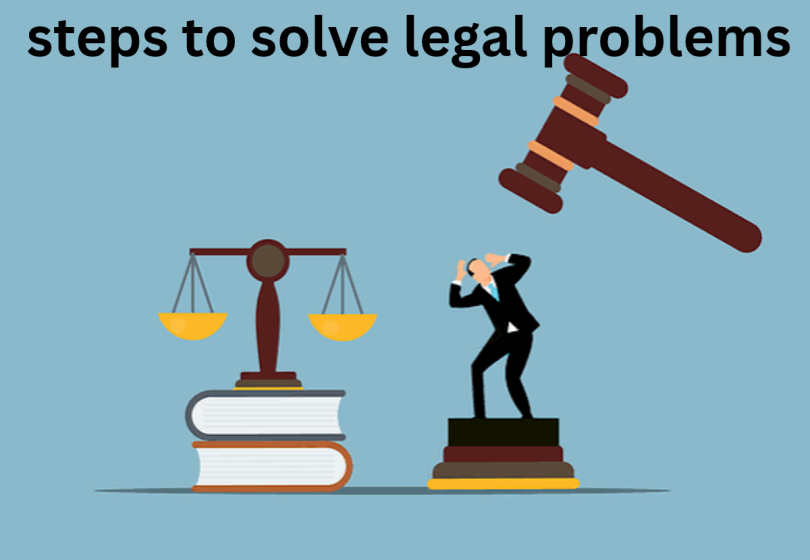

Legal problems can feel confusing, stressful, and difficult to manage, especially when you do not know your rights or what to do next. Whether you are dealing with a contract dispute, a workplace issue, a family disagreement, a property conflict, or a consumer complaint, understanding the steps to solve legal problems can help you approach the situation with greater confidence.
The key is to avoid rushing into decisions. Start by identifying the issue, understanding the relevant law, collecting reliable information, and considering the available options. Some disputes can be resolved through direct communication or negotiation, while others require mediation, formal complaints, or court proceedings.
This guide explains how to identify a legal problem, protect your interests, evaluate possible solutions, and determine when professional legal advice may be necessary.
What Does It Mean to Solve a Legal Problem?
Solving a legal problem means identifying a dispute or situation involving legal rights, duties, responsibilities, or obligations and taking appropriate steps to resolve it.
A legal problem may arise when someone fails to meet a contractual obligation, a landlord and tenant disagree about their responsibilities, an employee believes their rights have been violated, or two parties dispute ownership of property.
The appropriate solution depends on the facts, the applicable law, the evidence available, and the outcome you want to achieve.
For example, imagine that you paid a contractor to renovate your home, but the contractor stopped working before completing the agreed project. You may need to review the contract, collect payment records, document the unfinished work, and contact the contractor to discuss a resolution. If informal efforts fail, you may need to consider a formal complaint or legal action.
Understanding the nature of the dispute is the first step toward making an informed decision.
10 Essential Steps to Solve Legal Problems
Although every legal situation is different, the following process provides a practical starting point for handling many common legal disputes.
1. Identify the Legal Problem Clearly
Before taking action, determine exactly what has happened and why it may involve a legal issue.
Start by asking yourself:
- What happened, and when did it happen?
- Who is involved in the dispute?
- What agreement, right, duty, or responsibility may be affected?
- What action or failure to act caused the problem?
- What outcome would resolve the situation?
Write a short, factual summary of the issue. Separate confirmed facts from assumptions, opinions, and information you have not yet verified.
For example, instead of writing, “My employer is treating me unfairly,” describe the specific incident: “My employer withheld the salary for the month of September despite the agreed payment date.”
Specific details make it easier to identify the relevant legal issue and decide what to do next.
2. Understand Your Legal Rights and Responsibilities
Once you have identified the problem, research the laws, rules, agreements, or procedures that may apply.
Depending on the situation, relevant sources may include:
- Applicable national or local legislation
- Written contracts and employment agreements
- Government regulations and official guidance
- Court decisions and established legal principles
- Consumer protection or tenancy rules
- Workplace policies and dispute resolution procedures
Use official government websites, legislation databases, court resources, or other reliable legal information sources whenever possible.
Be careful when relying on general information from social media, discussion forums, or websites that do not identify their sources. A rule that applies in one country, state, or province may not apply elsewhere.
If you are unsure which law governs your situation, consider consulting a qualified lawyer in the relevant jurisdiction.
3. Gather Evidence and Organize Your Documents
Evidence helps establish what happened and supports your explanation of the dispute. Collect relevant records before they become difficult to obtain or access.
Depending on your situation, useful evidence may include:
- Signed contracts, agreements, or receipts
- Emails, letters, and text messages
- Bank statements and payment confirmations
- Photographs, videos, or inspection reports
- Invoices, bills, and delivery records
- Names and contact details of potential witnesses
- Relevant notices, complaints, or official correspondence
Organize the documents chronologically so you can explain the sequence of events clearly.
Keep original records safe and create copies for reference. Preserve electronic messages and files in their original form where possible. Do not alter documents, manufacture evidence, or access someone else’s private accounts without authorization.
Also, check whether any legal restrictions apply to recording conversations or collecting personal information.
Practical tip: Create a timeline with the date, event, people involved, and supporting document for each important incident. This can help you spot missing information and prepare for a discussion with a lawyer or mediator.
4. Identify the People or Organizations Involved
Determine who has the authority or responsibility to help resolve the issue.
Depending on the circumstances, the relevant party may be:
- An individual who breached an agreement
- A business or service provider
- An employer or human resources department
- A landlord, tenant, or property manager
- An insurance company
- A government agency or regulatory body
- A court or tribunal with authority over the dispute
Make sure you have the correct legal name and contact details of the relevant person or organization.
Identifying the right party matters because sending a complaint to the wrong organization can cause unnecessary delays. It is also important to determine whether other people or organizations have legal responsibilities in the matter.
5. Define Your Desired Outcome
Before contacting the other party, decide what a reasonable resolution would look like.
Possible outcomes include:
- Receiving money that is owed
- Obtaining a refund or replacement
- Completing an agreed service
- Repairing damaged property
- Correcting inaccurate records
- Reaching a workable settlement
- Stopping an action that may violate your rights
- Obtaining a formal decision from an authorized body
Try to distinguish between what you ideally want and what you could reasonably accept.
For example, if a business delivered a defective product, you might prefer a full refund but also consider a replacement if it adequately resolves the problem and complies with applicable consumer law.
A clear goal helps you assess possible solutions and avoid spending time on approaches that are unlikely to address the underlying issue.
6. Communicate With the Other Party
When it is safe and appropriate, try to resolve the issue through clear, respectful communication.
Explain the problem, provide relevant facts, identify the outcome you are seeking, and allow the other party an opportunity to respond.
For a written complaint, include:
- A brief description of the issue
- Relevant dates and agreement details
- Supporting evidence
- The resolution you are requesting
- A reasonable response date, where appropriate
Keep the tone professional. Avoid insults, threats, exaggerated accusations, or statements you cannot support.
Save copies of messages and letters. If the other party makes a proposal, review its terms carefully before accepting.
Direct communication is not suitable for every dispute. If there are threats, domestic abuse, intimidation, serious power imbalances, or concerns about retaliation, seek appropriate professional support instead of contacting the other party alone.
7. Explore Negotiation, Mediation, or Other Alternative Solutions
If direct communication does not resolve the dispute, consider other options before starting formal legal proceedings.
Negotiation allows the parties to discuss possible solutions and try to reach an agreement directly or through representatives.
Mediation involves an impartial third party who helps the parties communicate and explore a mutually acceptable resolution. A mediator generally does not impose a decision.
Conciliation is another facilitated process used in some legal systems and disputes. The conciliator’s role and the form of assistance provided vary by jurisdiction.
Administrative complaints may be appropriate when a dispute involves a regulator, consumer protection authority, employment agency, or other public body.
These options may help reduce conflict and avoid some of the time and expense associated with litigation. However, they are not always appropriate or available, and some agreements or procedures have specific legal requirements.
Before agreeing to a settlement, understand its financial terms, deadlines, confidentiality provisions, and any release of future claims. Obtain legal advice if the agreement could significantly affect your rights.
8. Consult a Qualified Lawyer When Necessary
Some legal issues are too complex, urgent, or high-risk to handle alone.
Consider seeking legal advice when:
- You receive court papers or an official legal notice.
- A deadline may affect your ability to bring or defend a claim.
- The dispute involves a substantial amount of money or valuable property.
- You face criminal allegations or potential legal penalties.
- Your immigration status, employment, family arrangements, or housing may be affected.
- The other party has legal representation and the dispute is becoming more serious.
- You are asked to sign a settlement, waiver, or binding agreement.
- You are unsure about your legal rights or the consequences of your next step.
A lawyer can assess the facts, explain the applicable law, evaluate possible risks, and recommend an appropriate course of action.
Before a consultation, prepare a brief timeline, organize relevant documents, list your main questions, and identify any upcoming deadlines. This preparation can make the meeting more productive.
If legal fees are a concern, investigate legal aid services, community legal clinics, law school clinics, or limited-scope legal assistance where available.
9. Take Formal Legal Action if Other Options Fail
If informal discussions and appropriate alternative processes do not resolve the problem, formal proceedings may be necessary.
Depending on the dispute and jurisdiction, this could involve filing a complaint with a government agency, bringing a claim before a tribunal, or starting a court case.
The process may require you to:
- Identify the correct court, tribunal, or authority.
- Confirm that the body has jurisdiction over your dispute.
- Check applicable filing requirements and limitation periods.
- Prepare the required forms, documents, and supporting evidence.
- File and serve the necessary documents according to the applicable rules.
- Respond to directions, attend hearings, and meet procedural deadlines.
Formal legal action should be based on a careful assessment of the evidence, possible remedies, likely costs, and potential consequences.
Do not assume that every dispute belongs in court. Some matters must follow an administrative process or another procedure first. A lawyer or the relevant court or tribunal’s official guidance can help you determine the correct route.
Important: Never ignore a court summons, claim, or formal notice simply because you believe the allegations are incorrect. Missing a response deadline can have serious consequences. Seek prompt advice if you receive legal documents.
10. Follow Through and Keep Records of the Resolution
Resolving the dispute is not always the final step. You may need to make sure that the agreed or ordered outcome is carried out.
For example, the parties may need to arrange a repayment, complete repairs, transfer documents, correct an account, or comply with a court order.
After reaching a resolution:
- Keep a signed copy of any settlement agreement.
- Record payment dates and amounts.
- Save relevant emails and official notices.
- Confirm that promised actions have been completed.
- Check whether any ongoing obligations remain.
- Seek advice if the other party fails to comply with the agreement or decision.
If the resolution involves a court judgment or enforceable order, follow the applicable enforcement procedure if necessary.
Keeping accurate records provides a useful reference if questions arise later.
You may also like to read these posts:
How to Handle Legal Issues: A Practical Guide to Protecting Your Rights
Basic Legal Process Guide: Understanding Legal Procedures Step by Step
How to File a Legal Complaint: Step-by-Step Guide
How to Prepare for Court: A Practical Guide
Legal Guide for Beginners: Understanding Your Rights and the law
Common Types of Legal Problems and How to Approach Them
The general process is useful for many disputes, but the best solution depends on the type of problem.
| Type of legal problem | Practical first step | Possible resolution routes |
|---|---|---|
| Contract dispute | Review the contract and document the alleged breach | Negotiation, mediation, arbitration where applicable, or court proceedings |
| Employment issue | Collect employment records, pay statements, and relevant correspondence | Internal grievance, labor authority, mediation, tribunal, or legal advice |
| Landlord and tenant dispute | Review the lease and document the condition of the property or the disputed action | Written complaint, tenancy authority, mediation, tribunal, or court |
| Consumer complaint | Keep receipts, warranties, order details, and communications | Business complaint process, consumer protection agency, alternative dispute resolution, or legal action |
| Family law matter | Identify the immediate issue and gather relevant documents | Legal advice, negotiation, mediation where appropriate, or court proceedings |
| Property or boundary dispute | Review ownership documents, surveys, and relevant correspondence | Negotiation, professional assessment, mediation, or legal proceedings |
| Debt or payment dispute | Verify the amount owed and preserve invoices and payment records | Payment arrangement, formal demand, mediation, or a legal claim |
These are general examples, not guaranteed procedures. The appropriate authority, available remedies, and required steps depend on local law and the facts of the case.
How to Choose the Best Solution for a Legal Problem
Not every legal dispute needs to go to court. Choosing the right approach requires balancing the strength of your position, the outcome you want, the available evidence, and the potential risks.
Consider the following factors before deciding how to proceed.
The Strength of Your Evidence
Ask whether you have reliable documents, messages, witnesses, or other information supporting your position.
If important facts remain uncertain, additional investigation or professional advice may be necessary before making a formal allegation or claim.
The Time and Cost Involved
Compare the likely cost, time, and effort required for negotiation, mediation, administrative complaints, and formal proceedings.
A legal remedy may be available but still require resources that make it impractical. Consider legal aid or lower-cost dispute resolution services if affordability is a concern.
The Urgency of the Situation
Some disputes allow time for negotiation, while others require immediate action.
Examples include approaching deadlines, threats to remove property, urgent housing issues, potential evidence loss, or immediate risks to personal safety.
Do not assume that negotiating informally will pause a legal deadline. Verify the applicable rules promptly.
The Likelihood of a Workable Agreement
Consider whether the other party is willing and able to cooperate. Negotiation may be useful when both parties want a practical outcome, but it may be ineffective when one party refuses to engage or the dispute involves serious misconduct.
The Legal Remedy Available
Identify what the law may allow you to request. A desired outcome is not necessarily a remedy that a court, tribunal, or agency can order.
A qualified lawyer can help determine which remedies may be available and what evidence is needed to support them.
Common Mistakes to Avoid When Handling Legal Issues
Even when people have a strong case, avoidable mistakes can make a dispute harder to resolve.
Ignoring Legal Notices and Deadlines
A letter, claim, or official notice may require action within a specified period. Read it carefully and obtain advice if you do not understand its significance.
Relying on Unverified Legal Information
Legal rules change, and requirements differ across jurisdictions. Confirm important information through official sources or a qualified legal professional.
Failing to Preserve Evidence
Deleting messages, discarding receipts, or losing documents can make it more difficult to establish what happened. Preserve relevant material lawfully and keep it organized.
Making Emotional or Threatening Statements
Angry messages can escalate a dispute and may undermine productive communication. Stick to verifiable facts and reasonable requests.
Signing an Agreement Without Understanding It
A settlement may limit your ability to bring further claims or create new obligations. Read the complete document and obtain legal advice when necessary before signing.
Waiting Too Long to Seek Help
Some claims are subject to strict time limits. Delaying action can reduce your options, even if you have a valid complaint.
Assuming Every Dispute Requires a Lawsuit
Court proceedings can be appropriate, but they are not the only way to resolve legal problems. Consider other suitable options when they are safe, lawful, and consistent with your objectives.
Practical Checklist for Solving a Legal Problem
Use this checklist to organize your next steps.
- Write a clear summary of the problem.
- Identify the people or organizations involved.
- Determine which rights, duties, or agreements may apply.
- Gather and organize relevant evidence.
- Check official legal information and any applicable deadlines.
- Decide what outcome you want to achieve.
- Communicate with the other party if appropriate and safe.
- Consider negotiation, mediation, or an administrative complaint.
- Consult a qualified lawyer if the matter is urgent, complex, or high-risk.
- Follow the appropriate formal process if necessary.
- Keep records and confirm that the resolution is completed.
You do not need to complete every item in order. An urgent deadline, safety concern, or court order may require you to seek professional help immediately rather than follow the entire process from the beginning.
Frequently Asked Questions About Solving Legal Problems
What are the first steps to solve legal problems?
Start by identifying the exact issue, writing down the important facts, collecting relevant documents, and checking which laws or agreements may apply. Next, identify your desired outcome and consider whether direct communication or professional legal advice is appropriate. If a deadline or immediate risk exists, address it without delay.
Can I solve a legal problem without hiring a lawyer?
Yes, some straightforward disputes can be resolved without hiring a lawyer. For example, a business may agree to correct a billing error or replace a defective product after receiving a clear complaint. However, complex disputes, formal court proceedings, serious allegations, and issues involving important legal rights may require professional advice. The rules for representing yourself also vary by jurisdiction and type of case.
What is the easiest way to resolve a legal dispute?
There is no single method that works for every dispute. When the issue is straightforward and both parties are willing to cooperate, clear written communication or negotiation may be a practical starting point. Mediation or an appropriate complaint process may help if direct discussions fail. Serious or urgent matters may require formal legal action.
What documents do I need to solve a legal problem?
The documents depend on the dispute. Common examples include contracts, receipts, invoices, bank records, emails, text messages, photographs, official notices, and witness details. Organize relevant records by date and preserve the original versions where possible. A lawyer or legal adviser can help identify additional evidence that may be important.
How long does it take to resolve a legal problem?
The timeline depends on the complexity of the dispute, the willingness of the parties to cooperate, the evidence available, applicable procedures, and the workload of the relevant authority or court. A simple disagreement may be resolved quickly, while a contested legal claim can take much longer. Avoid relying on a fixed timeline until you understand the particular process involved.
Conclusion
Understanding the steps to solve legal problems can help you make better decisions, protect your rights, and approach disputes in a more organized way. Start by identifying the issue, understanding the relevant law, gathering evidence, and defining a realistic outcome. Then consider communication, negotiation, mediation, or a formal complaint where appropriate.
Remember that every legal dispute is different. Pay attention to deadlines, preserve important records, avoid signing agreements you do not understand, and seek qualified legal advice when the consequences are significant or the situation is urgent. By following a careful, informed process, you can evaluate your options and choose a suitable path toward resolving your legal problem.